Glacier National Park

Chandan Singh
| 14-05-2026

There's a moment on Going-to-the-Sun Road — somewhere between the dark tree line giving way and the sudden, jaw-dropping panorama opening up across the Continental Divide — when it hits you.
This is why people fly to Montana. Glacier National Park sits right on the border of Canada and Montana, stretching across more than one million acres of raw wilderness. Two mountain ranges.
Over 700 lakes. Hundreds of waterfalls. And wildlife that ranges from grizzly bears and mountain goats to moose wandering through the forest at dusk. It's a lot. In the best possible way.
Getting There
The closest airport is Glacier Park International Airport (FCA) in Kalispell, Montana, about 25 to 30 miles from the park's west entrance. It's serviced by Delta, United, Alaska, and Allegiant, with round-trip flights running roughly $500–$600 from major cities. Car rental is available at the airport and is genuinely essential — the park has limited public transit and getting around without wheels is tricky. Highway 2 runs along the southern edge of the park, while Highway 89 provides access from the east side. No gas stations exist inside the park, so fill up before you enter.
Light, design, and green space shape Eindhoven into a city that’s fun to explore on foot, by bike, and via simple transit links.
Audi dreams, parks, quirky museums, and medieval walls—Ingolstadt fuses high-tech sparkle with storybook charm in one easy stroll.
Three rivers, golden facades, warm baths, and lively squares—Győr is Hungary’s easygoing city break you didn’t see coming.
Handpicked resorts with clear prices, perks, and timing tips—plan your stress-free Mexican beachfront escape with zero guesswork.
Want to travel worry-free? Learn to recognize fake helpers, overpriced rides, and other travel tricks.
Golden beaches, caves, gardens, and lively nights—Barbados blends coastal drama with calm coves and easy island culture.
Glacier National Park
The Going-to-the-Sun Road
This is the headline act. A 50-mile scenic drive cutting straight through the heart of the park, designated as a National Historic Landmark — and it earns that title. The road passes Lake McDonald on the west side, climbs through dense forest, then breaks out into open alpine terrain near Logan Pass at 6,646 feet, with sweeping views over mountain ridges and glacier-carved valleys. It's fully open roughly late June through mid-October, depending on snow. Vehicles over 21 feet in length or 10 feet in height face restrictions on parts of the road — leave the trailer at camp. A free park shuttle runs along portions of the route during summer, stopping at key trailheads and viewpoints.
Best Hikes
Trail of the Cedars is the easiest option — a short, flat loop through towering old-growth cedar and hemlock trees near Avalanche Creek. Perfect if you want something beautiful without working for it.
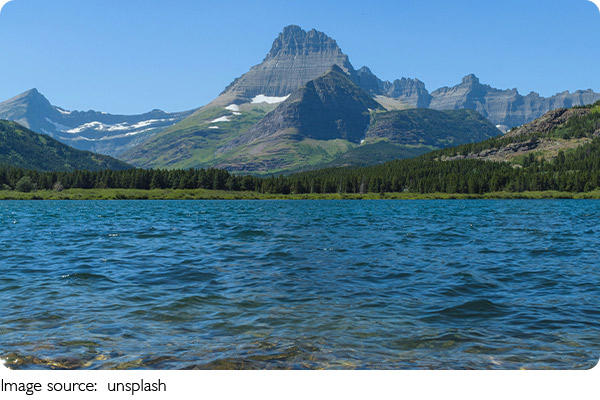
Grinnell Glacier Trail is the one that makes people talk. A roughly 11-mile round trip through wildflower meadows and past turquoise lakes to the face of an actual glacier. It's a full day out. Start early, pack layers, bring bear spray — this is prime grizzly territory.
Iceberg Lake Trail is another favorite. About 9.7 miles round trip, leading to a lake that holds floating icebergs well into summer. The route passes through open meadows where mountain goats and bighorn sheep are frequently spotted.
Entrance Fees & Hours
The park is open 365 days a year. Entrance fees run $35 per vehicle during peak season (May–October), dropping to $25 from November through April. Motorcycles pay $30. Walk-ins and cyclists are $20 per person. The America the Beautiful annual pass ($80) covers Glacier and all other national parks for a full year — worth it if you're visiting more than two parks. Note that the NPS occasionally offers fee-free days tied to national park holidays; check the NPS website before your trip.
Where to Stay
Inside the park, Many Glacier Hotel and Lake McDonald Lodge are the most iconic options — historic properties built in the early 1900s, with rustic character and genuinely incredible settings. Both book out fast; reserve months in advance. For something more adventurous, the backcountry chalets at Granite Park (from $124/night) and Sperry (from $253/night) require hiking in, but reward with unforgettable scenery and total immersion in the wilderness.
Campgrounds are a more affordable choice. The park has 13 drive-in campgrounds with fees ranging from $10 to $23 per night. Apgar, St. Mary, and Avalanche are the most popular — all fill quickly in summer, so book early at recreation.gov. If you'd rather stay in town, Whitefish and Kalispell both have solid hotel options. The Lodge at Whitefish Lake is consistently rated among the best in the region, with rooms typically running $200–$350 per night in peak season.
When to Visit
July and August are peak season — warm days in the low 80s, all facilities open, shuttles running, trails mostly snow-free. Expect crowds, especially at Logan Pass. September brings fewer visitors, cooler temperatures, and the beginning of fall color. Spring is quiet and dramatic, with waterfalls surging from snowmelt, though many roads stay closed into late May or June. Winter camping is actually free, and the park takes on an almost otherworldly stillness — but services are minimal and conditions are serious.
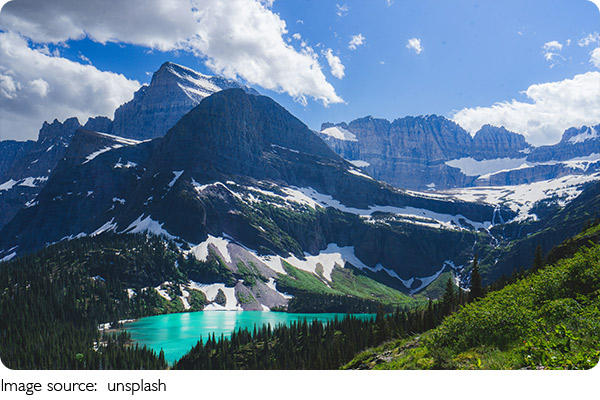
So that's Glacier. A place where the mountains don't just sit on the horizon — they surround you, tower over you, and quietly remind you how small you really are. Whether you're gripping the wheel along Going-to-the-Sun Road, catching your breath at the top of Grinnell Glacier Trail, or simply sitting by a lake at dusk watching a moose wade through the stillness, this park has a way of staying with you long after you've left.
It's wild. It's humbling. And in a world that feels increasingly loud and crowded, Glacier offers something precious: silence, space, and the kind of beauty that makes you put your phone down just to be present. So pack your layers, grab your bear spray, and go find that moment on the Continental Divide. The mountains are waiting — and trust me, they're worth every mile of the journey. 🏔️