Soft Rustic Bread Guide

Mason O'Donnell
| 17-04-2026

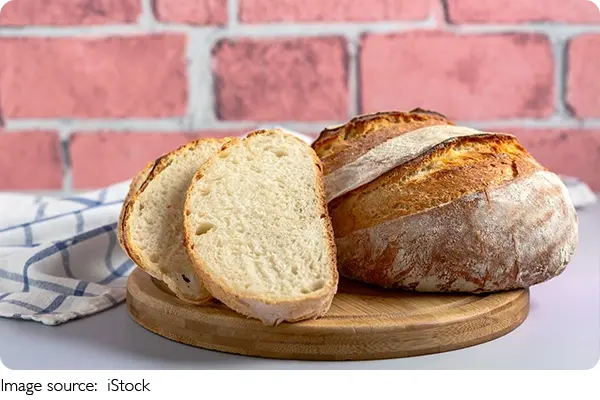
In this recipe, we are preparing a simple and comforting rustic bread that is soft inside with a lightly crisp outer layer. This bread is loved for its natural handmade look, where each piece has a slightly unique shape rather than a perfectly uniform form.
We will make 8 small pieces in total. The process is broken into clear and easy steps, starting from mixing the dough all the way to baking. The key to success is patience, as the dough needs time to rise properly and develop a soft texture and rich flavor.
Now let us move forward step by step and enjoy the baking journey together.
Full Ingredients List With Exact Amounts
Before we start, we prepare everything carefully.
For the dough, we need:
Functional foods, gut health, and clean-label ingredients are redefining the industry
The Creamy, Tangy Dessert That Looks Impossible But Takes Just 30 Minutes of Work
Can We Create the Perfect Mango Ice Tea at Home? A Step-by-Step Refreshing Recipe You Will Love!
Can We Really Make This Ultra Creamy No Bake Cheesecake at Home? The Step by Step Secret Revealed!
Brighten Up Your Dishes with This Easy, Homemade Delight!
A fresh, vibrant dish that celebrates the best of spring vegetables!
- 300g high-gluten flour
- 2g instant yeast
- 9g honey
- 6g salt
- 200g warm water (around 35°C)
For baking finishing:
- 8g unsalted butter (softened at room temperature)
These ingredients are simple, but each one plays an important role. The flour builds structure, the yeast helps the dough rise, the honey adds gentle sweetness, the salt balances flavor, and the warm water activates the yeast properly. The butter helps create a richer aroma during baking.
Step 1: Mixing the Dough
We start by placing all dough ingredients into a mixing bowl or stand mixer:
1. First, we add 300g flour.
2. Then we add 2g yeast, 9g honey, and 6g salt.
3. Finally, we slowly pour in 200g warm water.
4. We mix everything at medium speed until a smooth dough forms. This usually takes about 6 to 8 minutes. The dough should become soft, elastic, and slightly tacky but not overly sticky.
5. Once it looks smooth, we stop mixing and take it out.
6. We shape it into a round ball with our hands, making sure the surface is even.
Step 2: First Fermentation
1. We place the dough into a clean bowl. Then we cover it tightly with plastic wrap or a lid to prevent drying.
2. We let it rest in a warm environment at around 35°C for about 40 minutes.
3. During this time, the dough will expand and become lighter. This step is important because it builds air inside the dough, which helps the final bread become soft.
Step 3: Releasing Air and Resting
1. After the first rise, we gently take out the dough.
2. We press it lightly with our hands to release trapped air. This is called degassing.
3. Then we shape it into a smooth ball again.
4. We cover it with a damp cloth and let it rest for 15 minutes.
5. This short rest helps relax the dough, making it easier to shape in the next step.
Step 4: Shaping the Dough Pieces
1. Now we stretch the dough into a rectangle shape on a clean surface.
2. We fold the dough in three parts:
- First, we fold the right third toward the center.
- Then we fold the left third over it.
3. After folding, we gently flatten it again into a rectangle about 22cm by 10cm.
4. We then divide the dough evenly into 8 small pieces. Each piece should be similar in size so they bake evenly later.
5. We lightly shape each piece into a small round or oval form.
Step 5: Second Fermentation
1. We place all shaped dough pieces onto a baking tray, leaving a little space between each one.
2. We cover them lightly and let them rest again at around 35°C for 25 minutes.
3. This second fermentation helps the dough become even softer and lighter. We will notice the pieces becoming slightly larger and more airy.
4. This step is key to achieving a fluffy inside texture.
Step 6: Preparing for Baking
1. After the second rise, we prepare the surface.
2. We gently sprinkle a small amount of flour on top of each dough piece. This gives a rustic appearance after baking.
3. Then we lightly cut a shallow line on the surface of each piece. This helps the bread expand evenly in the oven.
4. Next, we place a small piece of softened butter on top of each dough piece. As it melts during baking, it adds a warm aroma and gentle richness.
Step 7: Baking the Bread
1. We preheat the oven to 210°C.
2. Then we place the tray inside and bake for about 16 minutes.
3. During baking, the bread will rise again, and the surface will turn lightly golden. The smell becomes warm and comforting, filling the kitchen naturally.
4. We watch carefully to avoid over-browning. When the surface looks golden and firm, we know it is ready.
Step 8: Cooling and Enjoying
1. After baking, we take the bread out and place it on a rack to cool slightly.
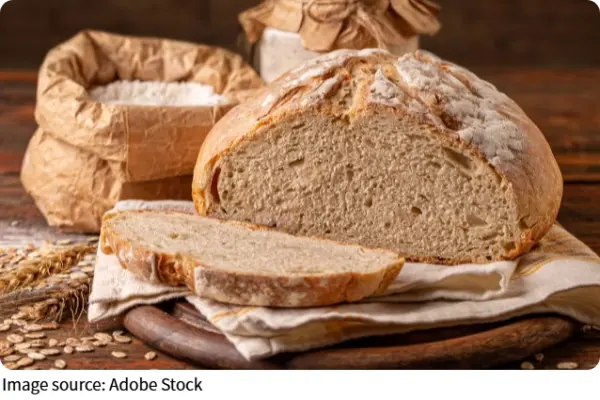
2. The outer layer becomes lightly crisp, while the inside stays soft and airy. The butter gives a gentle aroma that makes each bite enjoyable.
3. We can enjoy this rustic bread warm or at room temperature. It works well for breakfast, snacks, or sharing with family and friends.
A Warm Moment to Wrap Up
Thank you, Lykkers, for joining us in this detailed baking journey. We have moved step by step from mixing the dough to baking, and now we can enjoy fresh rustic bread made with our own hands.
If we follow each step carefully, it is easy to recreate this soft and simple bread at home. Baking is not only about the final result but also about the calm and joy we feel during the process.
We hope you give it a try and enjoy every moment in your own kitchen.